 Mateo ReyesVIEW PROFILE →
The streaming squeeze: how 2026 became the year of rising bills, ad tiers and the great re-bundling
Streaming was supposed to save us money, but in 2026 the bills keep climbing, ads are everywhere and the services are bundling back together. I break down the price hikes, the ad-tier push and why streaming increasingly looks like the cable it replaced.
I write about cinema and streaming, and lately the most dramatic plot twist has not been on screen at all, but on our monthly statements. Streaming once promised to free us from the tyranny of the expensive cable bundle, yet in 2026 I am watching that promise quietly unravel, as prices climb, adverts multiply and the services themselves begin to merge back together in ways that feel eerily familiar.
This is a story I think every viewer deserves to understand, because it affects the wallet of almost everyone I know. Behind the endless carousel of new shows and films lies a hard commercial reality, and the companies that spent years luring us in with cheap, ad-free convenience are now firmly in the business of making that convenience cost a great deal more than it used to.
The numbers tell the tale better than any marketing slogan ever could, and they are genuinely striking when you line them up. Seven major services in the United States raised their prices between October of 2025 and June of this year, and a basket of those seven services climbed from around 99 dollars a month to over 112 dollars, an increase of roughly twelve and a half percent in just ten months.
The relentless price hikes
Netflix, as the market leader, set the tone when it raised prices across every one of its tiers at the end of March. Its Standard plan now sits at 19 dollars and 99 cents, its Premium plan at 26 dollars and 99 cents, and even the cheaper ad-supported tier ticked upward, a clear signal that no customer, however frugal, was going to be spared the squeeze this time around.
The rest of the industry followed in lockstep, because once the leader moves, the others rarely hesitate to do the same. Disney raised the price of its Disney Plus, Hulu and ESPN bundle, HBO Max lifted its plans across the board, and household names from Peacock to YouTube Premium all nudged their prices higher, turning a trickle of increases into a steady, coordinated tide.
What strikes me most is how quickly the mood has shifted from abundance to austerity in this space. Not long ago the pitch was simple and seductive, endless entertainment for the price of a couple of coffees, but that era is clearly over, and in its place we have a market that has learned it can charge us more and, so far at least, keep us subscribed.
The great ad-tier push
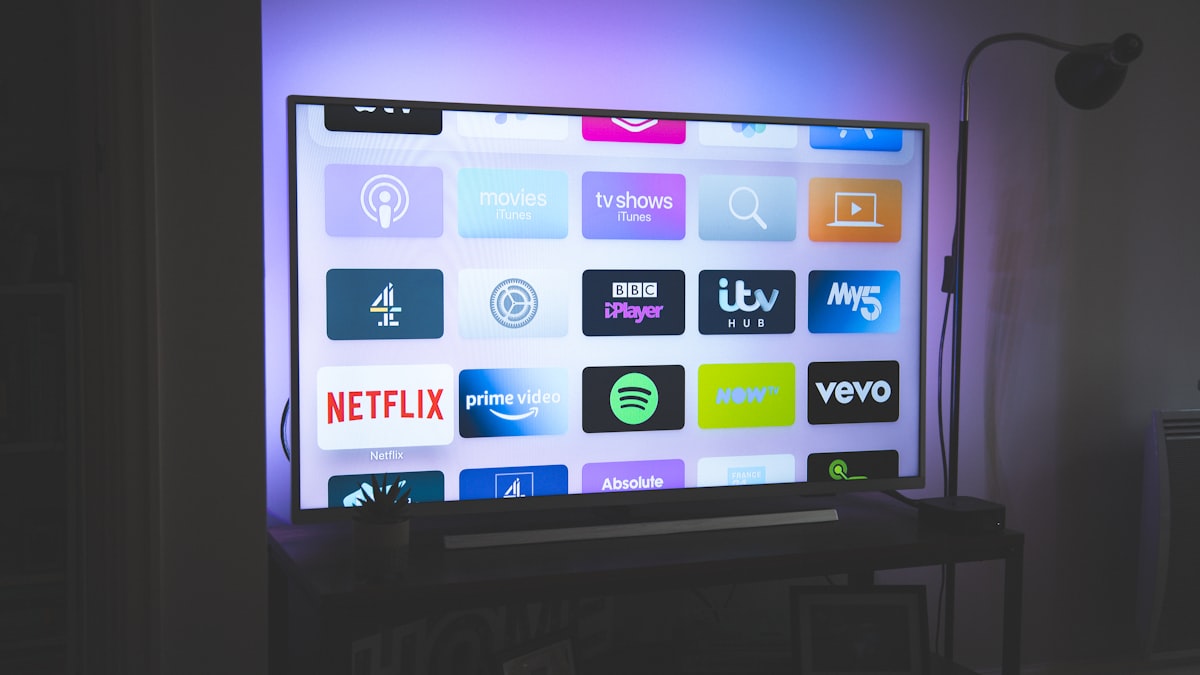
Perhaps the most telling trend of all is the aggressive push toward advertising, which marks a real philosophical reversal for the industry. For years the whole point of streaming was to escape commercials, yet now the services are deliberately pricing their plans to herd us toward the cheaper, ad-supported options, making the ad-free experience feel like an increasingly expensive luxury.
The maths they are counting on is quite deliberate, and once you see it you cannot unsee it in every pricing page. A viewer who wants a handful of the biggest services entirely ad-free can end up paying somewhere around 75 dollars a month, while the same bundle with adverts can cost closer to 40, a gap engineered precisely to make sitting through commercials feel like the sensible, thrifty choice.
I understand the business logic, because advertising gives these companies a second, lucrative stream of revenue on top of our subscriptions. But as a lover of film, there is something a little melancholy about watching the ad break, that relic we all fled from, creep back into the way most people now experience movies and television at home, one price increase at a time.
The great re-bundling
The final piece of the puzzle, and the one I find most fascinating, is what I can only describe as the great re-bundling of streaming. After years of fragmenting into ever more separate apps, the industry is now stitching itself back together, with Disney planning to fold its standalone Hulu app directly into Disney Plus to create a single, unified service rather than two.
If that instinct sounds familiar, it should, because it is essentially the cable model being reinvented for the streaming age before our very eyes. We left cable to escape paying for a giant bundle of channels we never watched, and yet here we are, slowly reassembling those same sprawling packages, only now they arrive through an app instead of a set-top box in the living room.
What it means for us
So where does all this leave us, the viewers caught in the middle of these corporate manoeuvres? My honest take is that the golden age of cheap, simple streaming is behind us, and the smart move now is to be ruthless, rotating subscriptions month to month, cancelling what we are not actively watching and refusing to pay for shelves of content we never touch.
I will keep following this shift closely, because it shapes not just our bills but the very way stories reach us in the modern world. The films and shows remain as thrilling as ever, but the business behind them is entering a tougher, more expensive chapter, and staying informed is the best way for all of us to keep enjoying the show without quietly overpaying for the privilege.