 Mateo ReyesVIEW PROFILE →
The Tilly Norwood Firestorm: How an AI 'Actress' Forced Hollywood to Confront Its Future
When agents were reported to be in talks to sign AI-generated 'actress' Tilly Norwood, Hollywood erupted. From Emily Blunt's horror to SAG-AFTRA's condemnation, the saga has become the defining flashpoint in the industry's battle over artificial intelligence.
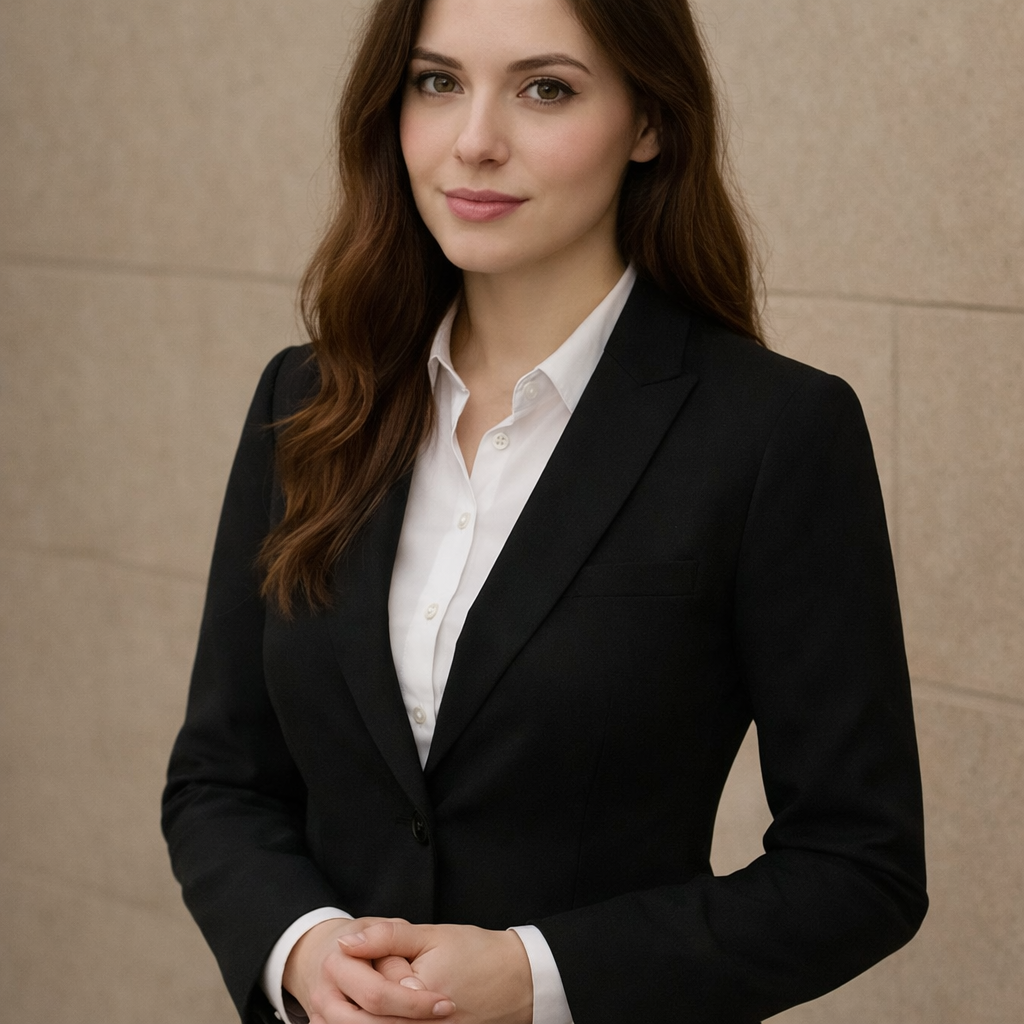
Hollywood conversations this year have been dominated by record box office numbers, billion-dollar franchises, streaming price wars and the annual Oscar race. Yet the single most revealing story about the industry's future did not involve a blockbuster or an awards campaign at all. It involved a performer who does not exist, an artificial creation named Tilly Norwood.
What began as a curiosity quickly escalated into one of the most heated cultural debates the entertainment world has seen in years. The saga of this AI-generated figure has crystallised the anxieties, ethical questions and existential fears that have been simmering beneath the surface of the film industry since generative AI arrived on the scene.
The spark that lit the fire
Tilly Norwood is not a person but an artificial intelligence tool, created by the actor, comedian and technology entrepreneur Eline Van der Velden. On its own, a digital character might have passed largely unnoticed, treated as a novelty or an experiment on the fringes of the industry rather than a genuine threat to working performers.
The moment that changed everything was the news that several talent agents were reportedly in talks to sign Norwood, as if the synthetic creation were a real client seeking representation. That single detail transformed an abstract debate about technology into a concrete question about jobs, and it sparked widespread backlash across Hollywood almost overnight.
Suddenly, the prospect of an AI 'actress' competing for roles, representation and attention alongside human actors felt tangible and immediate. The idea that a computer-generated figure could be commodified and marketed like a rising star struck a nerve, touching on deep fears about the devaluation of human craft and labour.
The industry pushes back

The reaction from established performers was swift and emotional. High-profile actors including Emily Blunt, Whoopi Goldberg and Melissa Barrera quickly voiced their anger. Blunt reacted with visible shock, describing how terrifying the development was, while Goldberg publicly doubted that any AI creation could truly replace the depth of a human performer.
The most institutionally significant response came from SAG-AFTRA, the union representing screen actors. It declared that creativity is, and should remain, human-centered, and stated plainly that it is opposed to the replacement of human performers by synthetics, framing the issue as one of principle rather than mere technological preference.
The union went further in dismantling the very premise of the project. It argued that Tilly Norwood is not an actor but a character generated by a computer program that was trained on the work of countless professional performers, and crucially, that this was done without their permission or compensation, raising pointed questions about consent and intellectual property.
The creator's defence
Van der Velden, for her part, has pushed back against the wave of criticism with a very different framing. She insisted that Tilly Norwood is not a replacement for a human being, but rather a creative work, a piece of art in its own right, positioning the project as an act of expression rather than an act of economic displacement.
She also argued that the intensity of the reaction proved her point, suggesting that because the creation sparks conversation, that in itself demonstrates the power of creativity. In her view, the controversy was evidence of cultural relevance rather than a sign that a line had been crossed within the industry.
Far from retreating, the creator signalled that this was only the beginning. She revealed plans to create dozens more AI actors, a statement that did little to calm the industry and instead reinforced the sense that synthetic performers were being positioned as a scalable business rather than a one-off artistic gesture.
A defining flashpoint
The battle lines have since hardened across the industry. Major players have been forced to take a stance, with the powerful agency WME making clear that it would not represent AI actors, a signal that at least parts of the traditional Hollywood machine intend to defend the primacy of human talent for now.
Ultimately, the Tilly Norwood affair matters far beyond one digital face. It has become the defining flashpoint in Hollywood's struggle to define the role of artificial intelligence in storytelling, forcing actors, unions, studios and audiences alike to confront an uncomfortable question about what, and who, the movies of the future will actually be made of.